Conveyor Guarding Solutions for Manufacturing and Warehouse
Protecting Workers from Conveyor Hazards
Conveyor Guarding Designed to Meet OSHA and ANSI Safety Standards
Common Conveyor Hazards in Industrial Facilities

Industrial conveyor systems are widely used in manufacturing plants, warehouses, distribution centers, and packaging facilities to move materials and products throughout production processes.
While conveyors improve efficiency, they also create significant safety hazards including pinch points, rotating rollers, drive components, and moving belts.
Without proper safeguarding, employees working near conveyor systems can be exposed to serious injury risks.
OSHA machine guarding requirements require employers to protect employees from hazardous moving machine parts, including conveyor components that may create nip points or entanglement hazards.
Proper conveyor guarding helps prevent employee contact with hazardous machine motion while allowing conveyor systems to operate safely.
Common Conveyor Hazards in Industrial Facilities
Conveyor Guarding Designed to Meet OSHA and ANSI Safety Standards
Common Conveyor Hazards in Industrial Facilities

Conveyor systems contain multiple mechanical components that can create hazardous pinch points or entanglement hazards if they are not properly guarded.
These hazards often occur where moving components meet fixed components or where employees may access conveyor equipment during normal operations.
Common conveyor hazards include:
• Ingoing nip points between rollers and belts
• Drive sprockets and chain drives
• Belt pulleys and rotating shafts
• Conveyor transfer points between equipment
• Access points where employees may reach moving components
Identifying these hazards is the first step in developing effective safeguarding solutions that reduce employee exposure to conveyor hazards.
Conveyor Guarding Designed to Meet OSHA and ANSI Safety Standards
Conveyor Guarding Designed to Meet OSHA and ANSI Safety Standards
Conveyor Guarding for Automated Warehouses and Manufacturing Systems

Conveyor guarding systems should be designed according to recognized safety standards and best practices for safeguarding industrial machinery.
OSHA machine guarding requirements under 29 CFR 1910 require employers to protect employees from hazardous machine motion, including conveyor equipment.
ANSI B11 machine safety standards provide guidance for evaluating machine hazards and determining appropriate safeguarding methods for industrial equipment. Conveyor guarding solutions may include fixed barrier guards, expanded metal guarding panels, interlocked access panels, and other safeguarding methods designed to prevent employee contact with hazardous moving components.
Proper guarding design allows conveyor systems to operate safely while still providing access for maintenance and operational needs.
Conveyor Guarding for Automated Warehouses and Manufacturing Systems
Conveyor Guarding for Automated Warehouses and Manufacturing Systems
Conveyor Guarding for Automated Warehouses and Manufacturing Systems
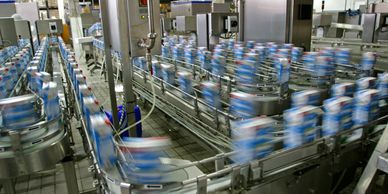
Many modern manufacturing facilities and distribution centers rely on large conveyor networks integrated with automated production equipment and warehouse automation systems.
These systems may include high-speed conveyors, automated sorting systems, pallet conveyors, and robotic palletizing equipment.
Vector Safety helps companies evaluate conveyor hazards within automated systems and design safeguarding solutions that protect employees interacting with these systems.
Guarding systems may include perimeter fencing, interlocked access points, and protective guarding around drive components and transfer points.
These systems help reduce employee exposure to hazardous machine motion while allowing automated systems to operate efficiently.
Conveyor Guarding Retrofits for Existing Equipment
Conveyor Guarding for Automated Warehouses and Manufacturing Systems
Conveyor Guarding Consulting and Safety Evaluations

Many facilities operate conveyor systems that were installed years ago and may not include adequate safeguarding around hazardous components. These legacy conveyor systems often require upgrades to reduce employee exposure to moving machine parts.
Vector Safety provides conveyor guarding evaluations and retrofit solutions that help facilities improve safety around existing conveyor equipment. Retrofit solutions may include installing fixed guards, expanded metal guarding panels, or other barrier guards designed to prevent employee access to hazardous conveyor components.
These improvements allow facilities to continue operating existing conveyor systems while improving workplace safety.
Conveyor Guarding Consulting and Safety Evaluations
Conveyor Guarding for Automated Warehouses and Manufacturing Systems
Conveyor Guarding Consulting and Safety Evaluations

Vector-Safety provides conveyor guarding evaluations, machine safety risk assessments, and safeguarding design consulting for manufacturing facilities, warehouses, and distribution centers.
Our team helps companies identify conveyor hazards, implement effective safeguarding solutions, and reduce the risk of employee injury associated with moving conveyor equipment.
We work with companies across the United States to improve conveyor safety and implement practical machine guarding solutions that support safe and efficient operations.